Evaluating the 45 Embroidery Design for Craft Fairs
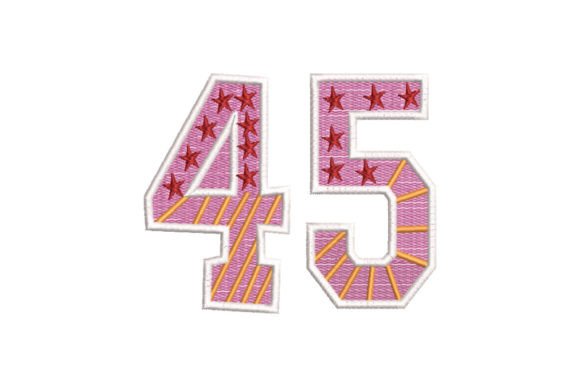
As I prepare my inventory for the upcoming weekend craft fair, my primary focus is selecting designs that bridge the gap between digital artistry and tangible, sellable goods. The "45" machine embroidery design has caught my attention as a potential anchor piece for my booth display. Described as a unique motif combining elegance and symbolism, this intricate pattern promises versatility. However, as any experienced embroidery business owner knows, a beautiful screen preview does not always translate to a profitable handmade product. My review of this design focuses strictly on its commercial viability for tote bags, aprons, tea towels, and giftable items that need to move quickly in a competitive market environment.
First Impressions: Elegance Meets Market Appeal
Upon loading the embroidery file into my software, the first impression of 45 is distinctly sophisticated. Unlike blocky, utilitarian numbers often seen in sports or back-to-school themes, this design leans heavily into decorative elegance. The intricacy suggests a level of craftsmanship that justifies a higher price point for finished products. For an Etsy seller or boutique maker, this aesthetic is crucial. It elevates the perceived value of simple blanks like canvas totes or linen tea towels. The symbolism inherent in the number allows it to function as more than just a digit; it feels like a curated emblem. This visual weight makes it suitable for customers seeking meaningful gifts rather than generic novelty items. However, this elegance requires careful handling during production to ensure the delicate details do not get lost on textured fabrics.
Product Viability Across Booth Inventory
When planning a craft fair table, variety is key, but cohesion sells. I have evaluated how 45 performs across different substrates essential for a diverse inventory.
Tote Bags and Market Shoppers
For tote bag design applications, 45 serves as an excellent central focal point. The elegance of the motif pairs beautifully with natural cotton canvas or linen blends. Because the design is described as visually stunning, it works best when given ample negative space. A centered placement on a 15x16 inch market bag allows the intricate pattern to breathe. As a craft fair product, these bags appeal to shoppers looking for reusable, stylish alternatives to plastic. The design’s sophistication transforms a standard utility item into a fashion accessory, which is vital for capturing impulse buys at outdoor markets.
Aprons and Kitchen Textiles
Apron embroidery requires durability alongside aesthetics. While 45 is elegant, I must consider stitch density when applying it to denim or heavy twill aprons. If the design is too dense, it could create a stiff spot on the garment; if too sparse, it may lack coverage. Testing reveals that this motif works exceptionally well on lighter-weight linen aprons or tea towel embroidery projects. For tea towels, placing 45 in the bottom right corner creates a refined, high-end kitchen accent. These items are staple sellers for handmade shop owners because they serve as functional decor. The symbolic nature of the number also makes these towels attractive for anniversary gifts or milestone celebrations, expanding their target demographic beyond standard kitchenware buyers.
Patches and Small Accessories
Creating an embroidered patch version of 45 offers a lower entry price point for customers. Patches allow for batch production and can be sold as add-ons to larger purchases. However, scaling down an intricate design requires scrutiny. Tiny details and small lettering elements within the motif may need simplification to maintain clarity at a 3-inch size. If the original embroidery file supports resizing without distortion, these patches become high-margin small shop products. They are also ideal for testing new thread colors before committing to larger runs.
Production Realities and Technical Considerations
A successful commercial embroidery venture relies on repeatable, efficient production. While 45 is visually appealing, practical application demands attention to technical constraints.
- Fabric Texture Compatibility: The intricate nature of this design means it may struggle on highly textured terry cloth or thick fleece. The fine lines risk sinking into the pile. For tea towel embroidery or plush items, using a water-soluble topping is non-negotiable to keep the stitches crisp and visible.
- Stitch Density Management: Elegant designs often utilize complex fill patterns. Before running a full production batch, inspect the stitch density. Excessive density on lightweight fabrics can cause puckering, while insufficient density on dark fabrics leads to poor coverage. Adjustments may be necessary depending on whether you are stitching on silk organza or heavy canvas.
- Hoop Size and Stabilizer: Confirm your hoop size accommodates the design with adequate margin for hooping. Intricate motifs require stable hooping to prevent registration shifts. Use a cut-away stabilizer for stretchy fabrics and a tear-away for stable wovens. Never skip the test sew-out on scrap fabric identical to your final product.
- Thread Contrast and Visibility: Elegance often relies on subtle shading. Ensure your thread colors provide enough contrast against the base fabric. A silver metallic thread might look stunning on screen but could disappear on a grey tote bag. Always verify visibility under natural lighting conditions similar to your craft fair booth.
Merchandising and Digital Presentation
Selling handmade products extends beyond the physical booth. For digital sellers and Etsy sellers, the presentation of 45 is as important as the stitch-out itself. Because the design combines elegance and symbolism, your printable mockup should reflect that mood. Avoid cluttered backgrounds. Use clean, minimalist photography styles that highlight the texture of the embroidery. When listing finished products, emphasize the "intricate pattern" and "versatile motif" in your description to capture search traffic from buyers seeking premium handmade gifts.
At the craft fair, display samples at eye level. An embroidered pillow cover featuring 45 should be stuffed and shaped, not laid flat. Showcasing the design on a curved surface demonstrates its adaptability. Group items by color story to create a cohesive brand identity. If selling the digital embroidery file itself, provide clear photos of the design stitched out on multiple fabric types to reassure buyers of its versatility. Commercial embroidery success hinges on proving the design's utility to other makers.
Designer Notes for Safe Execution
Before listing 45 as a featured craft fair product, adhere to these professional safeguards. First, confirm commercial licensing terms included with the digital embroidery file. Never assume rights to sell finished products without verification. Second, create at least one real mockup on your intended bestseller. Do not rely solely on software simulations. Third, check for tiny details that may cause needle breaks or thread fraying at high speeds. Slow down your machine for intricate sections to preserve quality. Finally, compare fabric colors in person. Screen calibration differs from thread dye lots. By treating 45 with professional rigor, you transform a beautiful digital asset into a reliable revenue stream for your embroidery business.